
03.23.2026
GEN-5 Genesis Ankle
We’re introducing GEN-5, the latest generation of the Genesis Ankle. We’re developing it around a straightforward requirement: the joint should actively contribute to movement while asking less of the person using it.
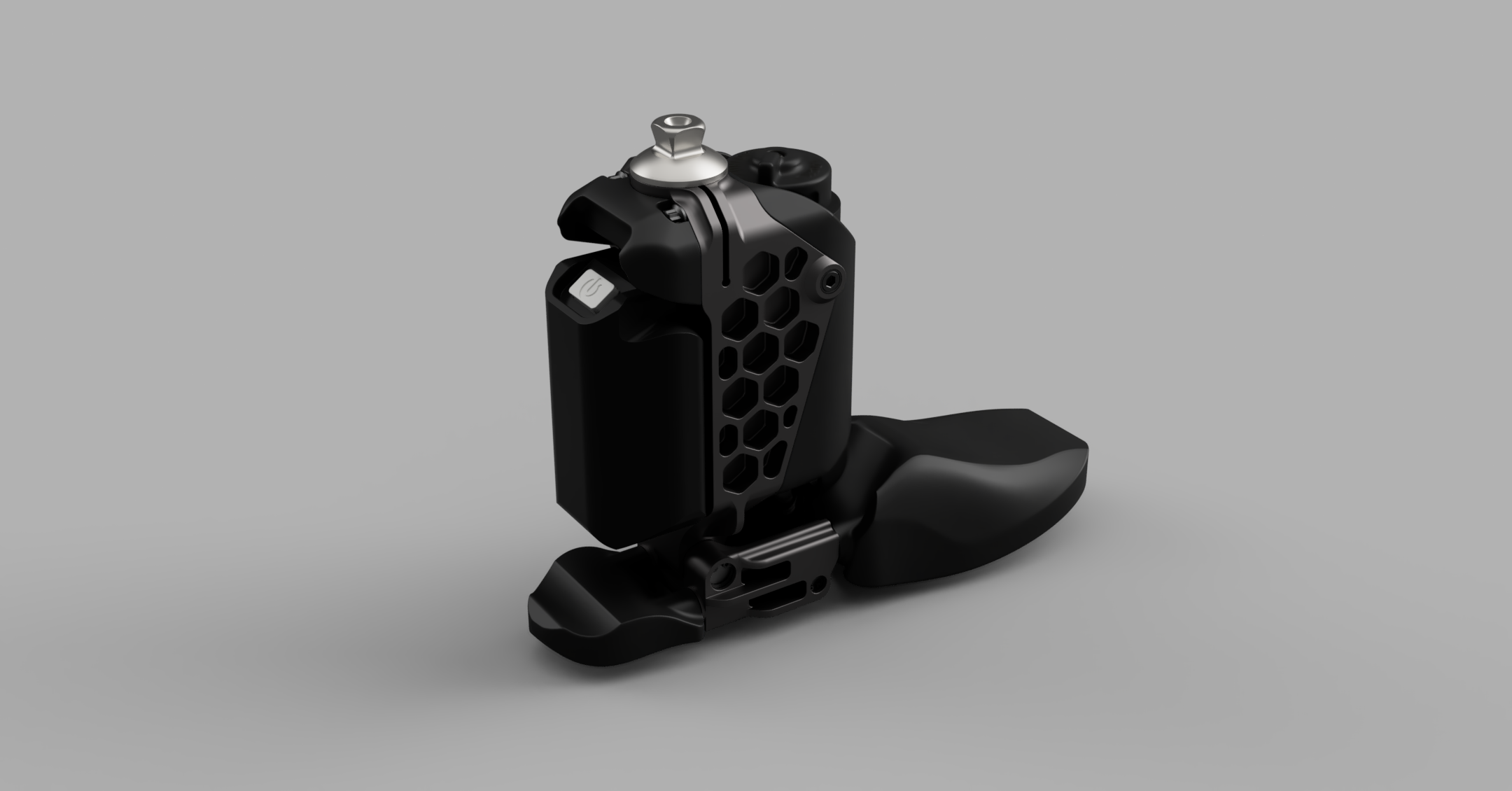
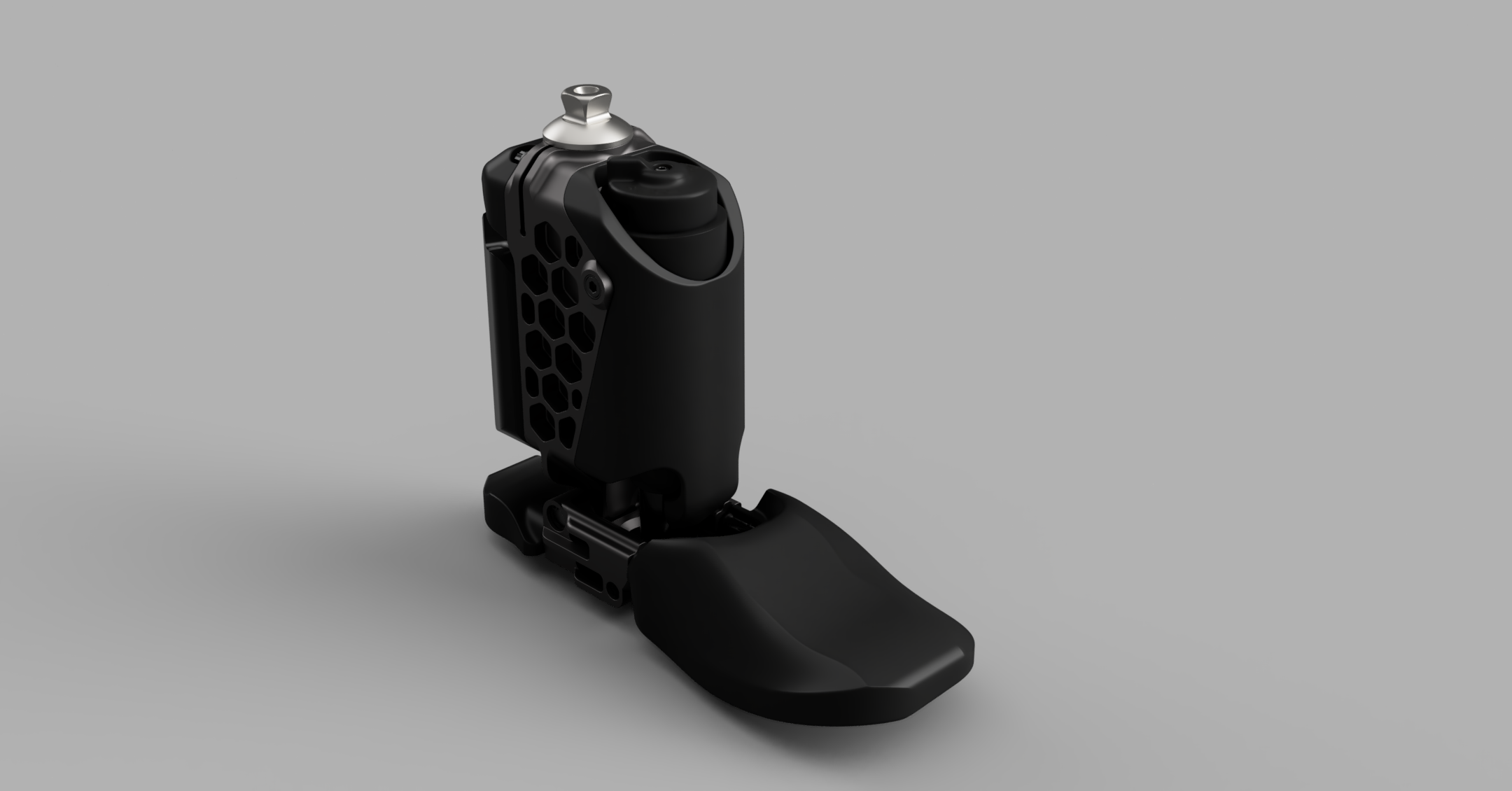
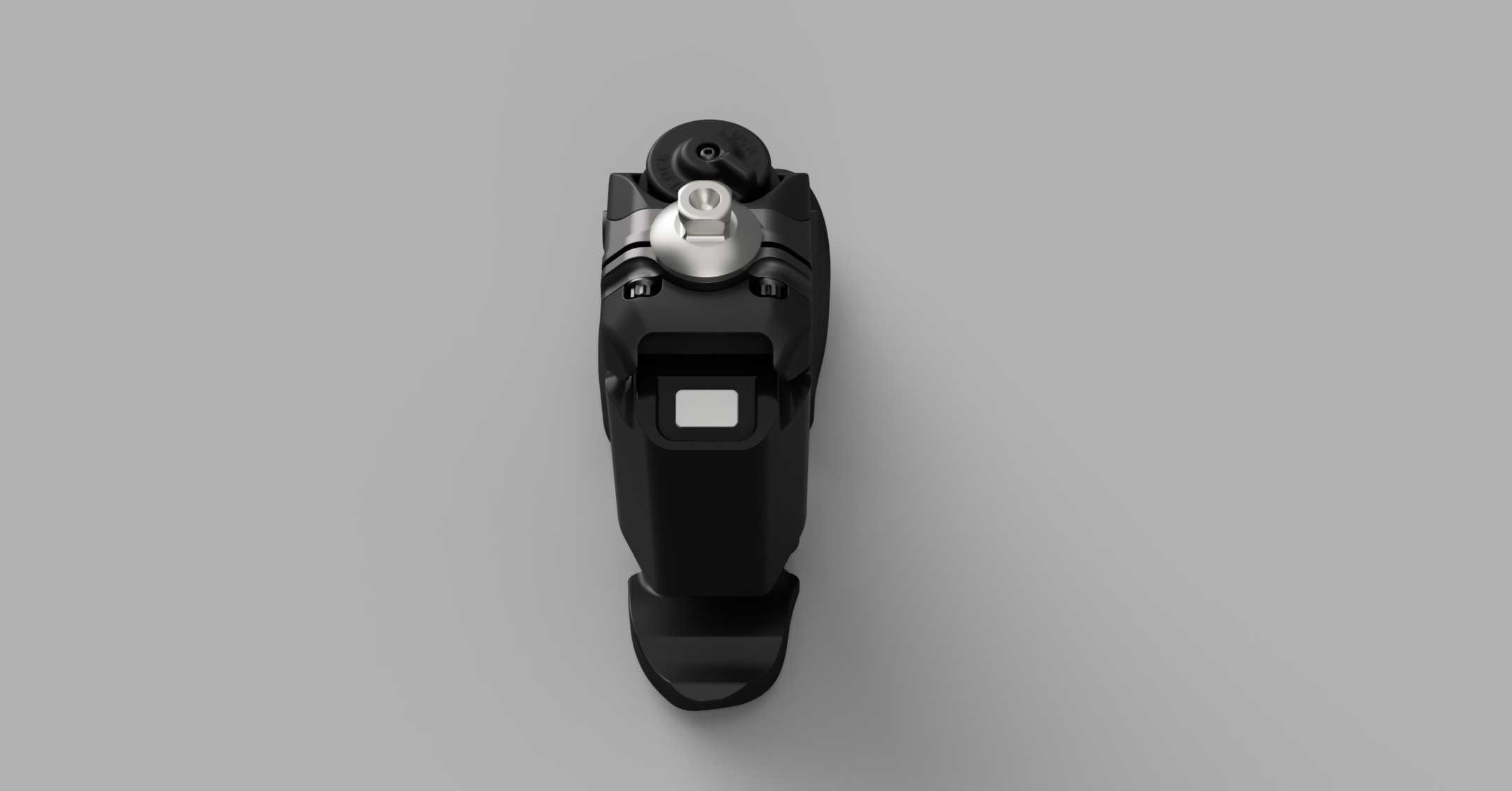
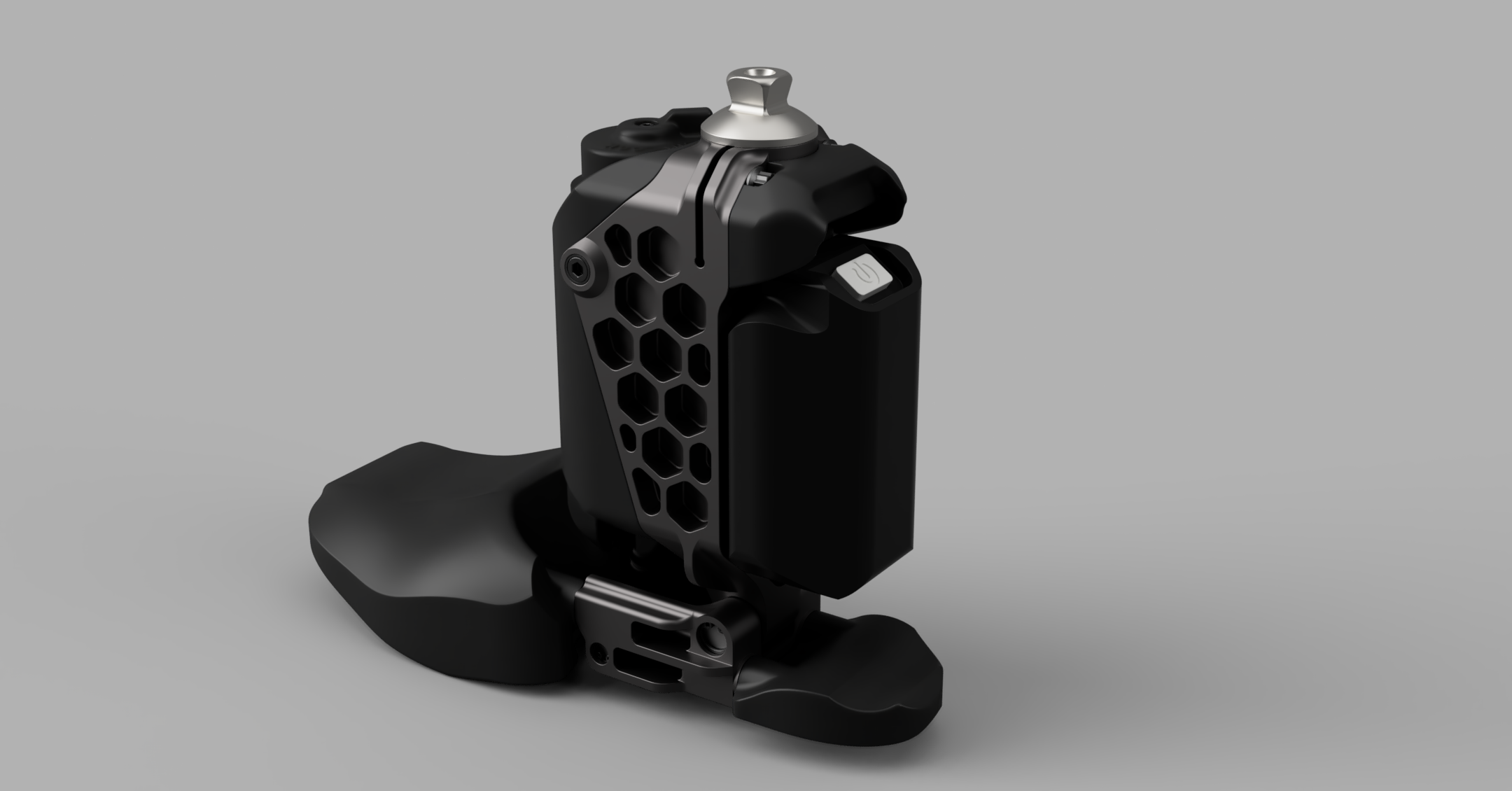
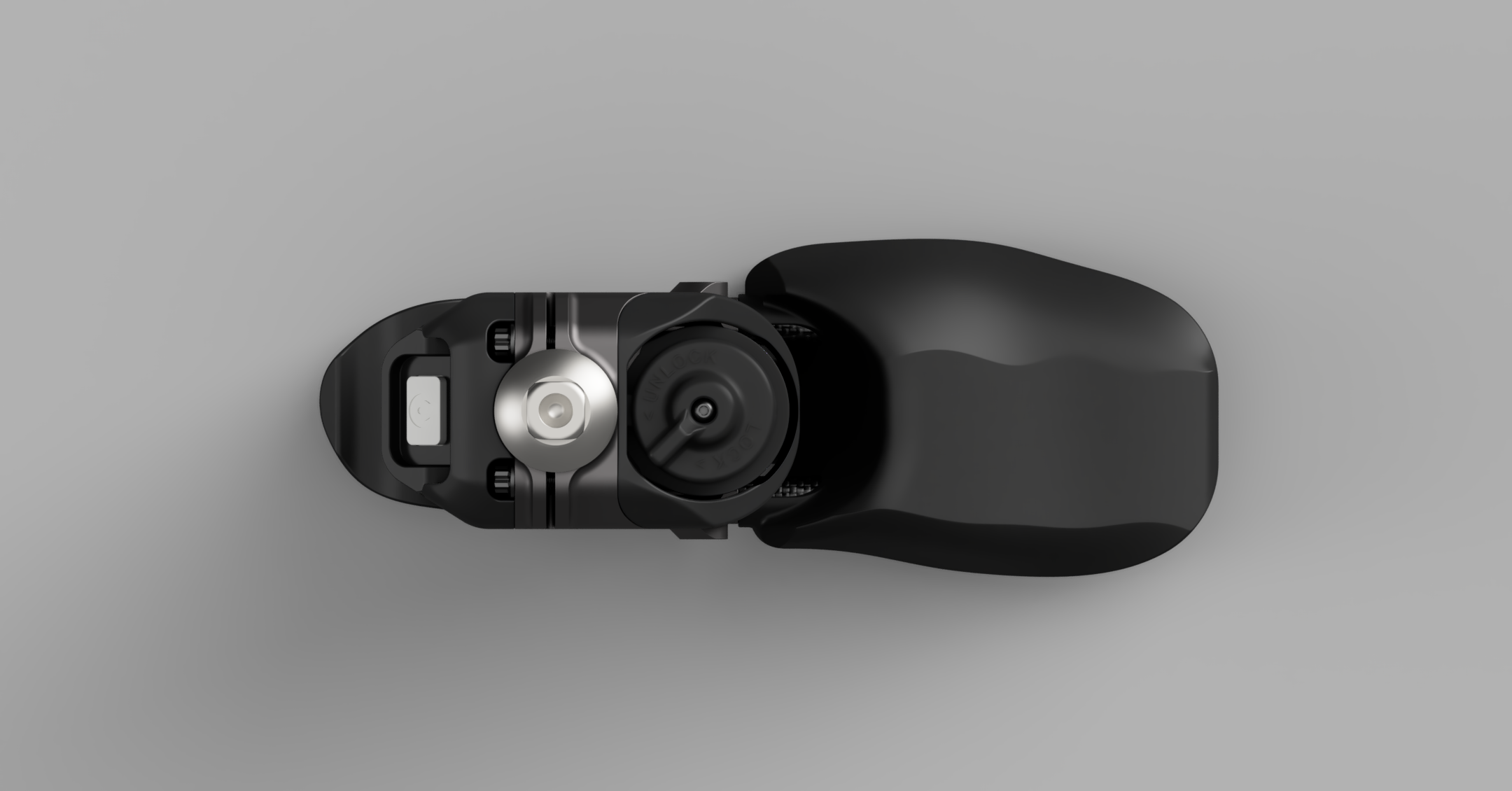
That requirement becomes more demanding outside a steady walk. A person changes pace, shifts their weight while standing, and moves between surfaces that place different demands on the ankle. The actuation and control have to work together through those changes. GEN-5 uses movement signals to adjust its response in real time, with the goal of providing useful assistance without requiring the user to manage each step.
We’re pursuing powered ankle motion because supplying energy is an important part of the function we want to build. The ability to produce push-off gives us more to work with, but the timing and delivery of that power matter just as much. Our goal is for the ankle to contribute in a way that fits the person’s movement and reduces the effort of using the limb. Demonstrating that benefit requires more than a capable mechanism.
The practical details belong in the same engineering problem. Weight, packaging, exposure to water, and how the system can be serviced all affect whether its capabilities are useful in daily life. GEN-5 also includes a mechanical joint lock, developed in response to user requests, that allows the ankle to be held at a selected angle. It gives the person a way to choose a fixed position when that is appropriate.
Software gives us another way to refine how the ankle behaves. Updates should follow validation of the changes they introduce. The value of that process is in improving the response of the system over time while keeping its behavior predictable.
GEN-5 brings these priorities into our latest ankle design. We want actively assistive mobility to become more accessible, and that means judging the complete system by how well it works for the person living with it. This generation is another step toward that goal.